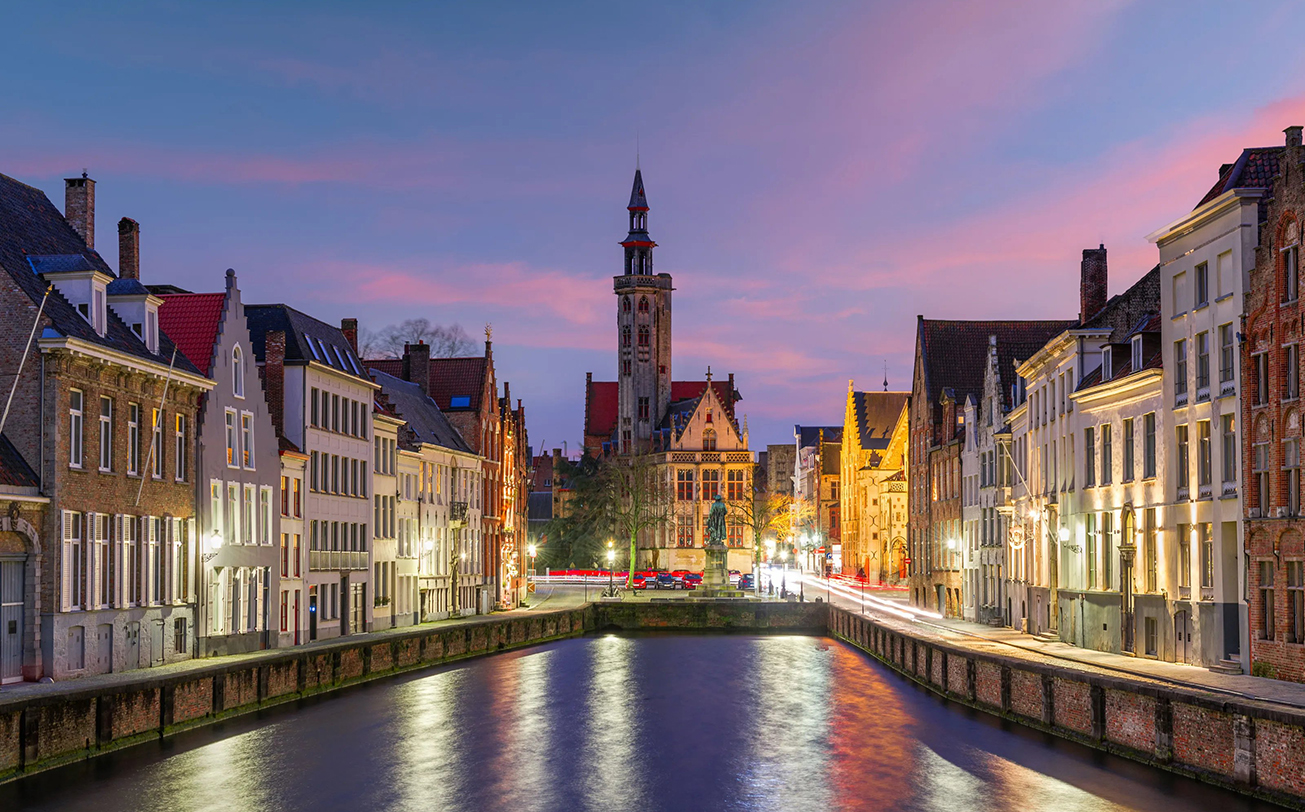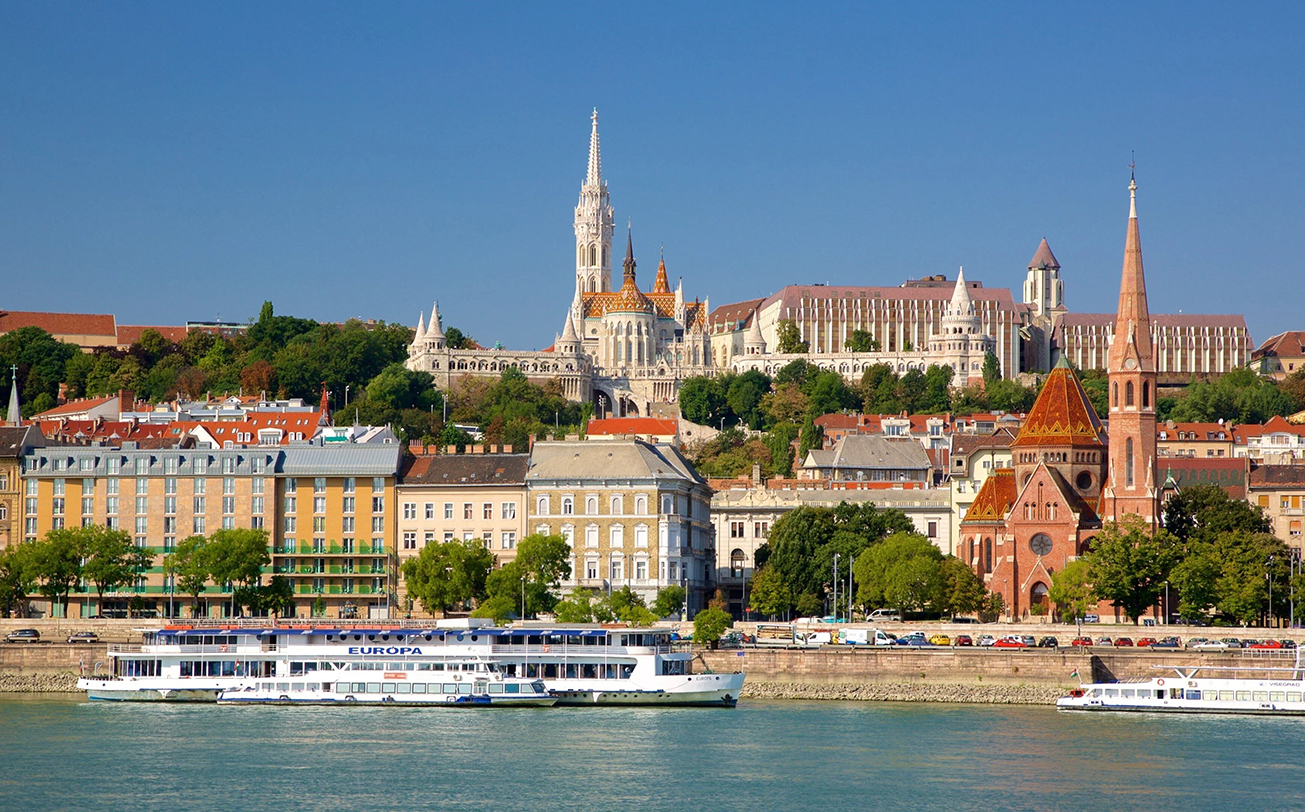
Budapest—a city bisected by the Danube River—always strikes a perfect balance between the modern and the historic. Whether amidst its magnificent architecture, tranquil streets, or bustling cafés, every step here is filled with delightful surprises.
Castle Hill: Overlooking the Magnificent Danube
My first stop was the majestic Buda Castle, standing proudly atop Castle Hill and commanding a panoramic view of the entire city of Budapest. As I slowly ascended the winding stone steps, each stride felt as though I were treading upon the very veins of history. A gentle breeze swept past, carrying with it the faint, moist scent of the river rising from the valley below, mingled with the sweet fragrance of the surrounding flowers and foliage—a sensation that left me feeling utterly rejuvenated.
Upon reaching the castle terrace, the view instantly opened up before me. I beheld the Danube flowing through the heart of the city like a silver ribbon, with the red-tiled rooftops, church spires, and the magnificent Parliament Building on both banks all spread out beneath my gaze. Occasionally, a sightseeing boat would glide across the water, sending ripples fanning out across the surface; sunlight danced upon the waves, shimmering like countless flecks of gold gently twinkling across the river. I took a deep breath, feeling as though I could hear history whispering in the air—the faint echoes of knights’ hooves and the distant strains of courtly music resonating within the stone walls.
I followed the steps leading down from the castle to a scenic lookout point, gazing out toward the distant Pest district, where modern skyscrapers and historic structures intertwined to form a three-dimensional tapestry. As the sun slowly began to set, it painted the river’s surface in a shifting palette of gold and fiery orange hues. The warm light spilled across the castle’s massive stone walls, simultaneously illuminating the sense of awe and reverence stirring within my own heart. In that moment, I perceived not only the magnificent scenery of Budapest but also the city’s profound historical depth and romantic spirit—a feeling that made me long to linger there for hours, savoring every trace of time’s passage.
The Chain Bridge and the Danube: Walking Through History
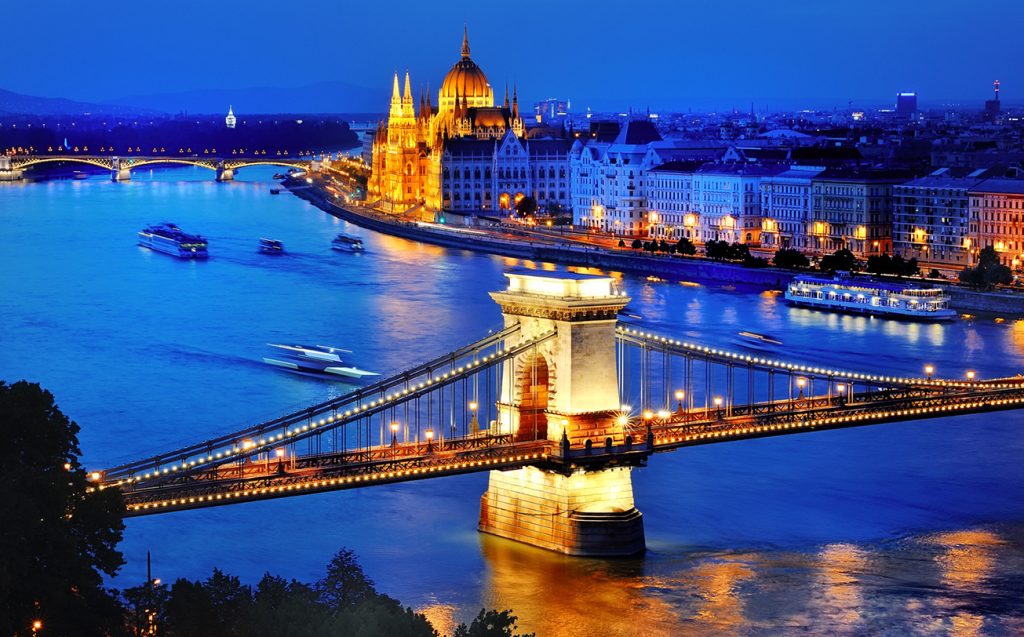
Leaving Buda Castle behind, I slowly made my way onto the Széchenyi Chain Bridge. This suspension bridge—linking the districts of Buda and Pest—stands not merely as an iconic symbol of the city, but as a living testament to its history. Beneath my feet lay sturdy stone slabs, while iron chains stretched along both sides of the structure; the bridge swayed ever so slightly, as if to remind me that it had once borne the weight of countless pedestrians and horse-drawn carriages. A gentle breeze from the river brushed against my face, carrying the moist scent of the Danube mingled with the aroma of coffee drifting in from distant cafés—a combination that left me feeling both alert and at ease.
The scenery on both banks unfolded like a dynamic scroll painting: Buda’s ancient castles and churches shimmered with a golden glow in the sunlight, while the glass facades of Pest’s modern high-rises reflected the shifting interplay of the blue sky and the river below—a place where history and modernity intertwined across the water’s surface. Occasionally, a sightseeing boat would glide slowly past, sending ripples across the water; the river’s surface mirrored the silhouettes of the pedestrians on the bridge, compelling me to pause and simply admire the view.
I took out my phone, attempting to capture this scene, yet the reality before my eyes was far more vivid than any photograph: the rhythmic sound of footsteps on the bridge, the low murmurs of tourists, and the steady cadence of the river lapping against the piers all seemed to be composing a timeless and vibrant history for this city. I took a deep breath, absorbing the unique charm of Budapest—a blend of profound historical gravitas and the lively vitality of a modern metropolis—where every step felt like a journey through time, bridging the past with the present.
The Parliament Building and the City Square—The Pulse of Culture
Having strolled across the Chain Bridge, I arrived at the majestic and magnificent Hungarian Parliament Building. Viewed from a distance, it resembled a palace rising straight out of a fairytale—its spires soaring high, its carvings exquisitely detailed, and every single feature exuding an aura of classical grandeur and solemnity. I joined a guided tour and stepped into the main hall, where stained glass windows cast a kaleidoscope of colorful light and shadow, while ornate staircases and gilded decorations dazzled the eye. It felt as though every wall and every column was whispering tales of Hungary’s history and glory, leaving me not only awestruck by the architecture but also deeply conscious of the nation’s profound cultural heritage.
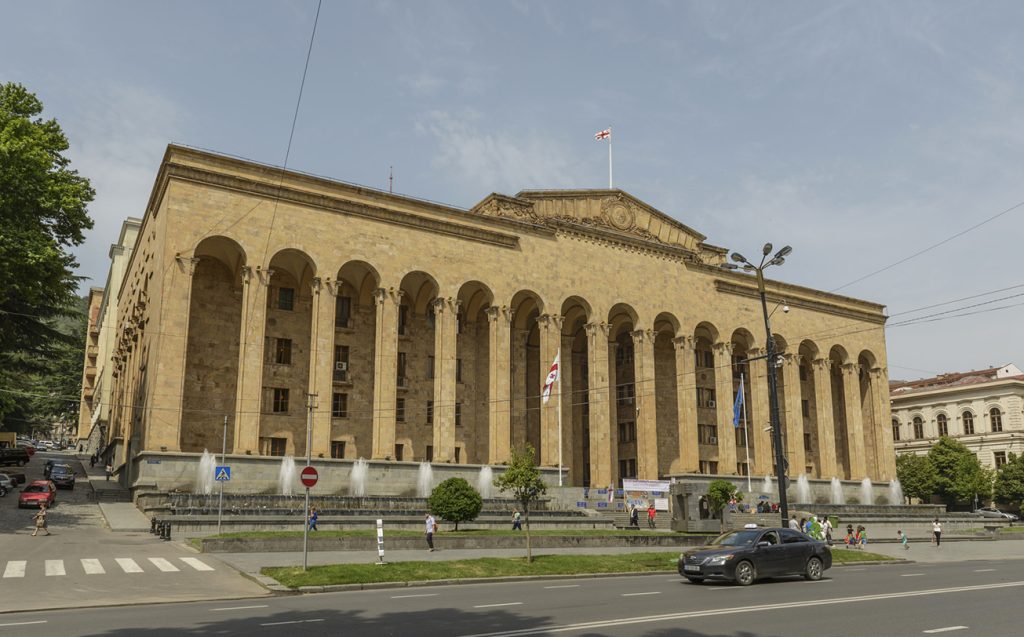
Upon leaving the Parliament Building, I strolled along the cobblestone streets toward Erzsébet Square. This spot stands in stark contrast to the magnificent architecture I had just witnessed, yet it is equally enchanting: the rich aroma of coffee wafts from surrounding cafés, the gentle strains of a street violinist’s violin drift through the air, children chase and frolic, and elderly locals stroll leisurely. Finding a bench to sit on, I ordered a hot coffee and watched the crowds flow slowly along the street, attuning myself to the city’s unique rhythm. Sunlight filtered through the leaves, dappling my skin; the warmth and the scent of coffee intertwined, compelling me to slow my breathing and savor this moment of warmth and leisure in Budapest.
The Thermal Bath Experience—Relaxing Body and Soul in Warm Waters
Budapest is renowned as the “City of Spas,” so I made a point of scheduling a visit to the Széchenyi Thermal Bath. As I stepped into this historic bathhouse, a wave of warm air—tinged with the faint scent of minerals—washed over me; it felt as though the entire building was radiating warmth. After changing into my swimwear and stepping into the warm mineral pool, I felt the water gently lapping against my shoulders and back; a wave of warmth instantly permeated my entire body, as if washing away all the fatigue and chill of the day.
By the poolside, a few local elders sat leisurely playing chess, occasionally engaging in quiet conversation. In the shallow section, children’s laughter rang out as clear as silver bells, sending splashes of water flying in every direction. Swept up in this cheerful atmosphere, I, too, gently rippled the water’s surface, savoring the soft embrace of the warm currents. Steam rose slowly into the air, blurring the outlines of the distant buildings and making the entire thermal pool appear to be floating amidst the clouds.
I closed my eyes, floating on my back, and felt the warm water, rising steam, and surrounding laughter weave together into a unique tapestry of sensations. With every breath came a sense of release; with every gentle drift, my spirit found solace. In that moment, I understood why Budapest’s thermal bath culture has endured for centuries: it offers not merely physical relaxation, but a form of spiritual healing—allowing one to become completely immersed in a state of tranquility and pure delight.
An Evening Stroll — The City’s Romantic Glow
As night quietly descended, I took a leisurely stroll along the Danube River. The lights from the bridges and buildings shimmered upon the water’s surface, creating a dazzling, rippling effect—as if the entire city were swathed in a soft, golden glow. A gentle breeze swept across the river, bringing with it a touch of coolness—along with the enticing aromas drifting from small street-side eateries—prompting me to quicken my pace in search of the source of those delicious scents.
I stepped into a cozy little restaurant and ordered two traditional Hungarian specialties: Gulyás (Goulash) and the popular street food, Lángos. A spoonful of goulash—the rich beef broth and the aroma of paprika fill the palate, the warmth spreading through me. Then, a bite of lángos—crisp on the outside, soft on the inside, with the flavors of garlic and cheese dancing on my tongue—compelling me to close my eyes and savor the moment. With every mouthful, I feel as though I am touching the deep-rooted culture and vibrant spirit of Budapest.
Stepping out of the restaurant, I continue my stroll along the riverbank. In the distance, the lights of the Chain Bridge resemble a flowing golden ribbon, shimmering in the water and swaying gently with the ripples. Occasionally, couples converse in hushed tones by the water’s edge; the laughter of children chasing one another and the melodies of a street violinist intertwine within the night air, lending the city an atmosphere that is both romantic and warm. I raise my camera, attempting to capture it all, yet the interplay of light and shadow, the laughter, and the scents lingering in the air are far more vivid than anything my lens can record. The nights in Budapest allowed me to sense the very soul of the city—passionate yet gentle, romantic yet full of life.
Memories by the Danube: Reflections on a Trip to Budapest
Budapest is not merely a city to be admired with the eyes; it is, above all, a city to be felt with the heart. Whether gazing out at the magnificent panorama of the Danube from Castle Hill, strolling across the Chain Bridge to feel the pulse of history, or surrendering body and soul to total relaxation in the thermal baths, every single moment leaves an indelible impression. The aroma of coffee, the street food, and the exquisite cuisine found here also leave a profound imprint upon the palate. Walking through Budapest under the cover of night—with the city lights shimmering on the river’s surface and a gentle breeze caressing my face—I felt that I was not merely traversing the city’s streets, but stepping deep into its very soul. As I depart, carrying with me visions of beauty, culinary delights, and cherished memories, I know that this city by the Danube will linger in my heart for a very long time to come.