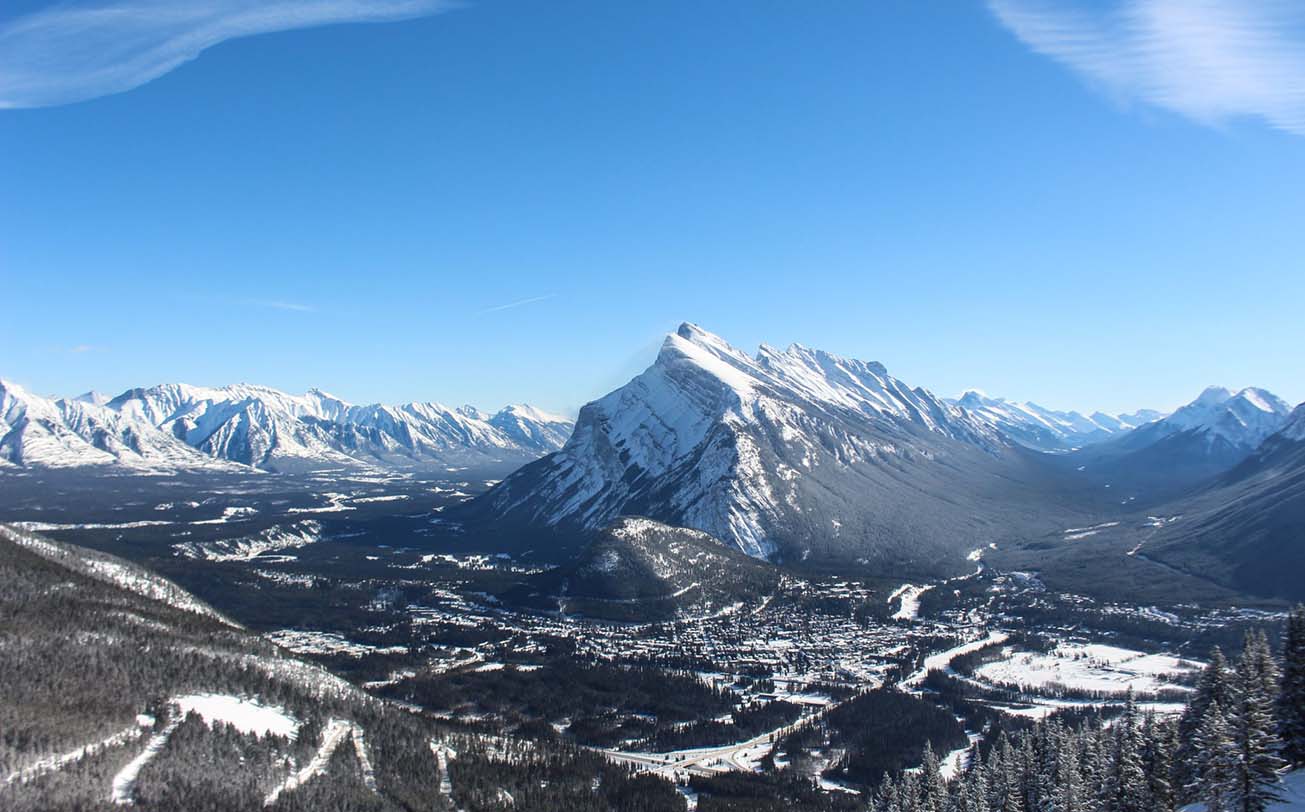
When I first stepped into Calgary during winter, I was immediately captivated by the crystal-clear air, the snow-capped peaks layered against the horizon, and the seamless blend of urban life and wilderness. But this purity of winter—cold, adventurous, and unpredictable—demands serious preparation. Whether you’re skiing in Banff National Park, hiking through the snow-laden trails of the Rockies, or weaving your way through the city’s many winter festivals, the right gear can make or break your trip. Based on my own experiences, here’s a full breakdown of the must-have gear I used for a smooth, safe, and enjoyable winter journey through Calgary—from head to toe, clothing to accessories, and even electronics and emergency tools.
1. Headgear: From Warmth to Vision Protection
Warm Hats and Face Masks: Your First Defense Against the Cold
Calgary’s wind is sharp and unforgiving, especially in the mountain valleys. I learned the hard way—one day out without a hat resulted in a headache that lingered for hours. Since that experience, I’ve always made sure to pack a wool-blend trapper hat with a fleece lining. The snug fit and ear flaps provide full coverage, keeping me comfortable even when temperatures plummet. The brim shields my forehead from both the sun and the biting wind. For extra protection, I carry a multi-functional neck gaiter or face mask. I’ve found that wearing a Buff brand windproof face cover while skiing at Mount Norquay works wonders. It not only shields my face from biting winds but also prevents snow from sticking to my skin, allowing me to enjoy my time on the slopes without discomfort.
Ski Goggles & Sunglasses: Eye Protection in Snowy Landscapes
The snow’s reflection can intensify sunlight, making it difficult to see and straining your eyes. On ski slopes, sunlight hits you from all directions, so eye protection is crucial. I opted for polarized Smith ski goggles, which are not only UV-blocking but also prevent snow blindness, a common issue on bright days. They are also fog-resistant, which is especially important when you’re switching from active slopes to resting spots. For urban exploring or light hiking, I prefer sports sunglasses with an anti-fog coating. These offer the perfect balance of protection from UV rays and dry winds, ensuring I stay comfortable while navigating the city’s winter landscape.
2. Upper Body Layers: The Power of the Three-Layer System
Base Layer: The First Step to Staying Warm
The first and most important step in any winter wardrobe is choosing the right base layer. I’ve learned the hard way that if your base layer isn’t right, it will compromise the rest of your outfit. A moisture-wicking, insulating base layer is crucial for keeping warm while ensuring you don’t overheat or feel damp from sweat. I recommend Merino wool for its temperature-regulating properties—it’s naturally breathable, soft, and lightweight. On my trip, I wore an Icebreaker long-sleeve top and thermal leggings that kept me dry and comfortable, even when the weather turned unpredictable. Whether you’re skiing or hiking, this base layer is your first defense against the cold and a key to staying comfortable in harsh conditions.
Mid Layer: Balancing Warmth and Breathability
The mid layer is about finding the perfect balance between warmth and breathability. I often opt for either a fleece jacket or a lightweight down jacket, depending on my activity. Fleece is breathable and quick-drying, making it perfect for hikes where you’re constantly on the move. When I’m skiing or waiting for a dog sled ride, I switch to a lightweight down jacket. Down provides incredible warmth without the bulk, making it ideal for static activities. During one of my hikes through Kananaskis, I wore an Arc’teryx Atom LT jacket. It’s a favorite for its versatility—it’s light, breathable, and warm, keeping me comfortable in both snowstorms and bright sun. Whether it’s a cold mountain trek or a city stroll, this mid layer provides the perfect amount of insulation.
Shell Layer: Your Shield Against Wind and Snow
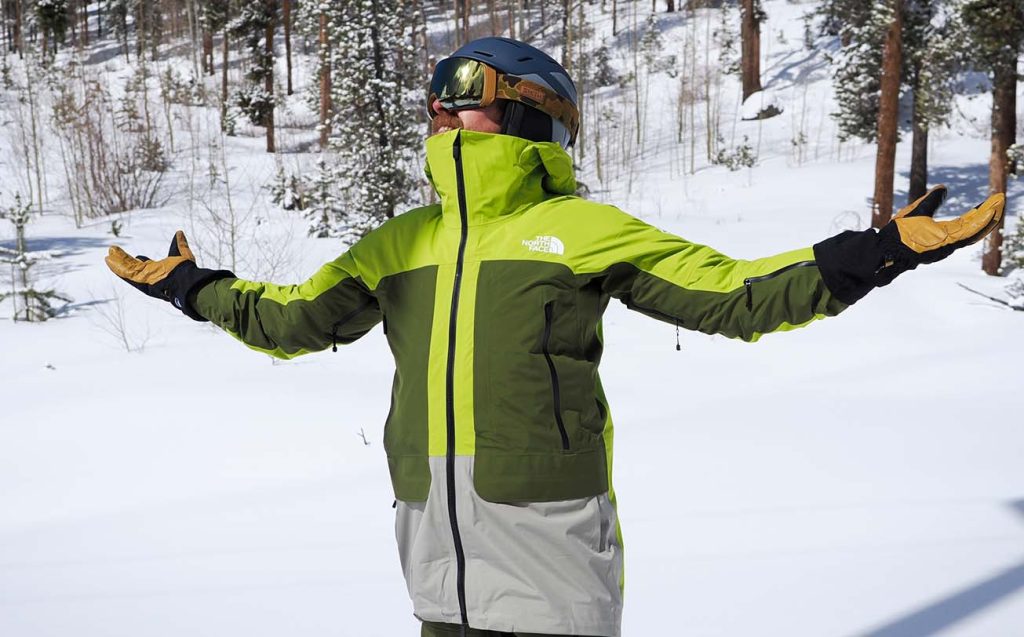
The outer layer is your final line of defense against the elements, and it needs to be both windproof and waterproof. I’ve found that a fully sealed, breathable ski jacket like the one I use from The North Face is essential for skiing or trekking in deep snow. Not only does it keep the wind and snow out, but its high breathability ensures I stay dry and comfortable even when exerting myself on the slopes. The jacket also features ventilation zippers that help regulate body temperature during intense activity. For urban exploration, I switch to a stylish, yet functional long down coat. It offers superior warmth and protection against the biting wind while still looking fashionable as I stroll along Stephen Avenue. In Calgary’s winter weather, this outer layer keeps me cozy while offering freedom of movement for both adventure and sightseeing.
3. Lower Body Gear: Balance Between Mobility and Warmth
Thermal Pants: Warm and Flexible
For hiking or skiing, I wore insulated softshell or lined hiking pants. In the city, I preferred fleece-lined jeans or winter trousers. One night during a fireworks show, it dropped to -18°C. Luckily, I had on triple-layer insulated pants—no cold could penetrate.
Ski Pants: Armor for Harsh Conditions
If you’re spending full days on the slopes, opt for suspenders-equipped ski pants. They prevent snow from getting inside and are built for warmth and waterproofing. I used a pair from Columbia—warm and dry even while sitting in snow for photos.
4. Gloves & Footwear: Extremities Make All the Difference
Gloves: One for Activity, One for Functionality
I bring two pairs: thick, waterproof gloves for skiing (with pockets for hand warmers) and lighter, touchscreen-friendly wool gloves for city exploring. My Smartwool gloves were perfect for snapping photos without freezing my hands.
Socks: Small Gear, Big Impact
Wool socks are a non-negotiable. I packed several pairs of Darn Tough mid-calf wool socks—they’re elastic, durable, and stay in place. On hikes, they protected my feet from blisters and cold injuries.
5. Footwear: Grip, Waterproofing, and Insulation
Ski Boots: Comfort and Stability
If you’re skiing at Sunshine Village or Lake Louise, you can rent boots, but frequent skiers should bring their own. A good pair offers both warmth and stability.
Winter Hiking Boots: Rocky Mountain Pass Required
I recommend winter boots made with Gore-Tex. My Salomon Quest winter boots had deep treads and great traction for icy trails.
Urban Winter Boots: Stylish Yet Functional
In the city, a lightweight, insulated, and non-slip boot is ideal. I wore Sorel snow boots during the Calgary Zoo light display—my feet stayed warm, dry, and comfortable throughout the night.
6. Essentials to Carry: Function Over Frills
Heat Packs and Hand Warmers
Whether you’re skiing, aurora watching, or standing in line at a hot restaurant, portable heat packs are lifesavers. I placed them on my back, hands, and feet for hours of warmth.
Insulated Thermos & Hot Drink Packets
A hot drink can be a game changer. I used a Stanley thermos filled with tea or coffee—each sip during ski breaks felt like pure comfort. I also brought instant ginger tea and hot cocoa for quick energy boosts.
Snow Poles and Crampons: Trail Aids
In snowy terrains like Kananaskis or Canmore, trekking poles and crampons are essential. The crampons gave me solid grip on icy paths, and the poles eased the pressure on my knees during descents.
Power Banks & Heated Hand Warmers
Cold weather drains batteries fast. I carried a large-capacity power bank that also worked as a hand warmer—especially handy when taking pictures in the cold.
7. Safety and Health: Small Items, Big Impact
Sunscreen & Lip Balm
Winter sun can be deceiving—snow reflects UV rays powerfully. I applied SPF 30+ sunscreen daily and carried SPF lip balm to prevent chapped, sunburned lips.
First Aid Kit & Anti-Slip Shoe Grips
I always pack a compact first aid kit, and it proved invaluable on my trip. Inside, I had essentials like band-aids, antiseptic swabs, anti-frostbite cream, cold medicine, and painkillers. I’ve found that a small scrape or burn in the cold can quickly worsen, so being able to quickly tend to it without searching for a pharmacy made a huge difference. Additionally, anti-slip shoe grips are a lifesaver when navigating slippery streets or snowy trails. They fit easily over my shoes and helped prevent falls, especially when walking on icy city streets. They’re small, but these simple accessories provide peace of mind while out exploring.
Well-Equipped, Well-Enjoyed
Every winter trip to Calgary deserves thoughtful preparation. The snow here is more than just scenery—it’s an immersive experience that demands careful planning. With the right gear, you can ski, hike, and explore the winter wonderland with ease and comfort, no matter how extreme the weather gets. It’s essential to adjust your packing list based on your specific itinerary and activities—whether you’re venturing into the wilderness for a hike or enjoying a more leisurely day in the city. While travel is full of surprises, good preparation ensures you stay warm, safe, and present throughout your journey. A well-equipped traveler is ready for anything that comes their way, and you’ll find the cold is a little less intimidating when you’re fully prepared.
Next time you stand atop the Rocky Mountains, snow swirling around your boots, but your heart warm and steady, you’ll understand: all the effort in preparation was worth it.